
What is the thickness of film faced plywood?
Understanding Film Faced Plywood
Film faced plywood is a specialized type of engineered wood used heavily in construction. It features a waterproof film layer on both surfaces. This film protects the plywood core from moisture, abrasion, and chemical damage.
ROCPLEX film faced plywood is recognized worldwide for consistent quality. Contractors and builders trust it for projects that demand strength, water resistance, and durability.
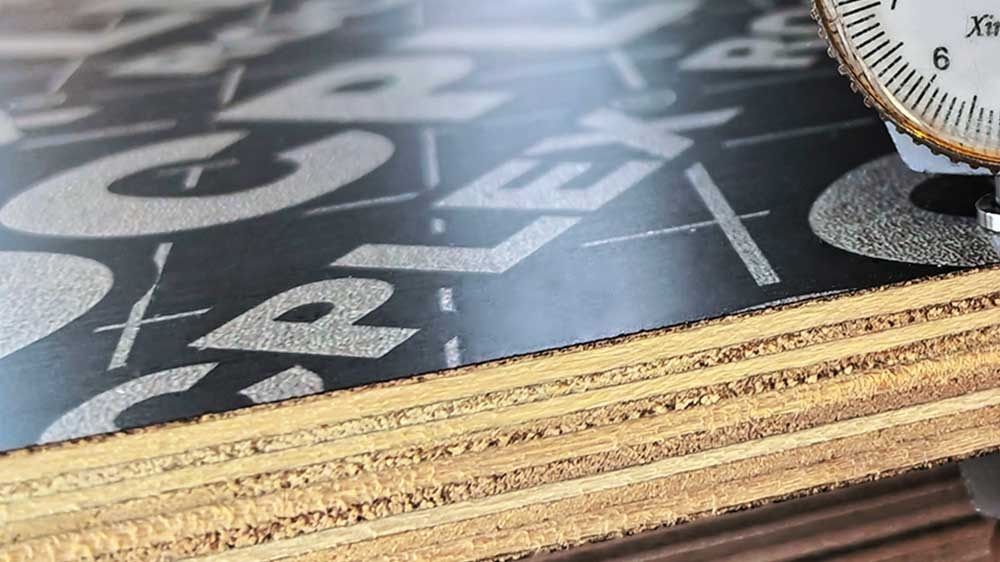
At its core, film faced plywood consists of multiple thin wood veneers bonded together using phenolic resin adhesive. This construction gives it excellent load-bearing strength and structural stability.
Why Thickness Matters in Film Faced Plywood
Thickness is a critical factor for film faced plywood performance. The right thickness ensures the panel can withstand the loads and conditions of different construction tasks.
Thinner panels may flex too much under heavy loads. Thicker panels offer greater strength and dimensional stability. Choosing the right thickness guarantees both safety and efficiency on the job site.
ROCPLEX offers a wide range of thicknesses to meet various project requirements worldwide.
Standard Thickness Range for Film Faced Plywood
Film faced plywood comes in multiple thicknesses, depending on its application. Common thickness options include:
9mm
12mm
15mm
18mm
21mm
25mm
Each thickness serves a specific purpose. ROCPLEX manufactures these sizes with strict thickness control, ensuring consistency across every panel.
9mm and 12mm Film Faced Plywood
The 9mm and 12mm options are typically used for lighter duty applications. These include:
Temporary protection barriers.
Lightweight concrete formwork.
Furniture manufacturing.
Wall cladding in temporary structures.
Their lighter weight makes them easier to handle and install. However, they may not be suitable for heavy structural formwork.
15mm and 18mm Film Faced Plywood
The 15mm and 18mm thicknesses represent the most common choices for general concrete formwork.
These panels are ideal for:
Slab formwork.
Beam and column molds.
Medium-scale infrastructure projects.
Repeat-use formwork systems.
ROCPLEX film faced plywood in these thicknesses provides excellent load resistance, smooth concrete finishes, and extended service life.
21mm and 25mm Film Faced Plywood
The 21mm and 25mm thicknesses handle the most demanding applications. They are used for:
Heavy infrastructure projects.
Bridge formwork and roadwork.
Load-bearing scaffolding platforms.
Repeated-use formwork in large projects.
Their extra thickness offers superior dimensional stability. ROCPLEX customers choose these sizes for projects that demand maximum strength and durability.
How ROCPLEX Ensures Accurate Thickness
ROCPLEX employs advanced production methods to guarantee consistent thickness:
Precision veneer calibration.
Automated glue spreading for uniform bonding.
Controlled hot pressing with strict temperature and pressure settings.
Post-press sanding to ensure final thickness accuracy.
Each panel undergoes quality checks, ensuring that customers receive film faced plywood that meets exact project specifications.
The Role of Thickness in Concrete Formwork
Film faced plywood is widely used in concrete formwork. Thickness directly impacts its load-bearing capacity, reuse potential, and surface finish.
Thicker panels resist deflection under wet concrete loads. They maintain shape throughout the pour, delivering smoother concrete surfaces.
ROCPLEX film faced plywood offers excellent dimensional stability, reducing risks of panel warping or sagging during repeated use.
Thickness Tolerances in Film Faced Plywood
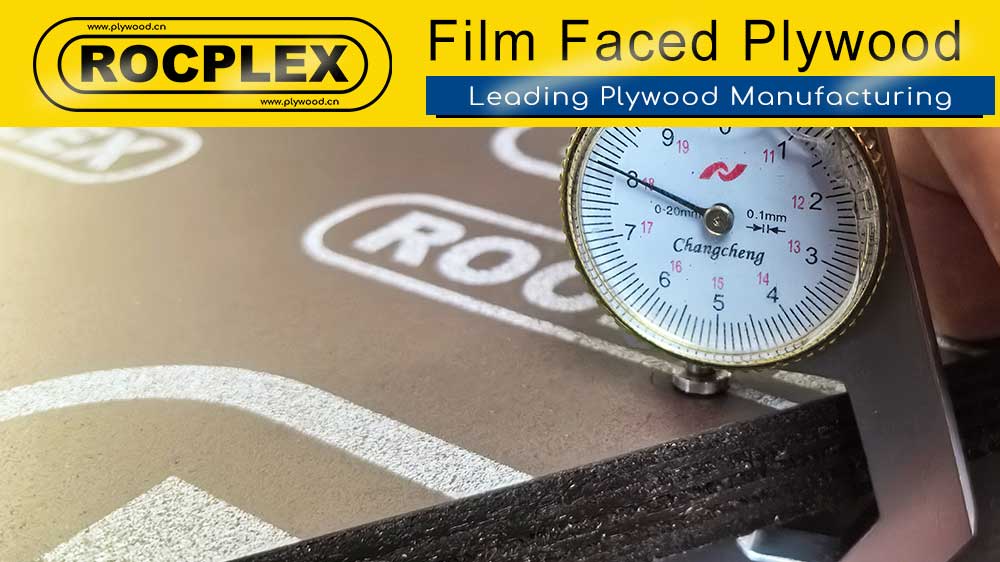
In construction, small thickness variations can affect formwork assembly. ROCPLEX maintains strict thickness tolerances to ensure proper panel fit and safety.
Typical tolerances for ROCPLEX film faced plywood include:
±0.3mm for panels up to 15mm thick.
±0.5mm for panels 18mm and above.
This precision allows contractors to assemble formwork with speed and confidence, minimizing field adjustments.
Factors That Influence Thickness Choice
Several factors guide the selection of film faced plywood thickness:
Project Type: Slab formwork, bridge decks, or walls require different strength levels.
Concrete Pressure: Thicker panels withstand greater hydrostatic loads.
Reuse Cycles: Frequent reuse favors thicker panels for durability.
Handling Considerations: Thinner panels offer easier transport and installation.
ROCPLEX experts help buyers select the right thickness based on project needs.
Thickness and Reuse Potential
One advantage of film faced plywood is its ability to endure multiple uses. Thickness contributes directly to this benefit.
Thicker panels handle stress better, resisting delamination and edge damage over time. ROCPLEX 18mm and 21mm panels often deliver 10–20 reuse cycles or more under proper care.
Thinner panels may still offer reuse benefits but typically have shorter service lives under heavy loads.
Global Standards for Film Faced Plywood Thickness
ROCPLEX film faced plywood complies with multiple international standards, including:
EN 13986 (European)
AS/NZS 2269 (Australia/New Zealand)
ISO 9001 (Global Quality Management)
These certifications ensure consistent panel thickness, bonding strength, and waterproof performance across every batch.
The Waterproof Benefits of ROCPLEX Film Faced Plywood
Regardless of thickness, ROCPLEX film faced plywood delivers exceptional water resistance through:
High-density overlay film.
Phenolic resin bonding.
Industrial edge sealing.
This multi-layer protection prevents moisture penetration even during extended job site exposure.
Thickness enhances waterproof performance by reducing warping risk and strengthening the core against repeated wetting and drying.
Thickness Options for Custom Orders
ROCPLEX offers flexibility beyond standard thicknesses. Custom thicknesses are available for specialized projects requiring:
Lightweight formwork panels.
Extra heavy-duty support platforms.
Specific design or architectural features.
Custom manufacturing ensures that clients receive film faced plywood tailored to exact project requirements.
Environmental Benefits of Proper Thickness Selection
Choosing the right thickness also supports sustainability goals:
Thicker panels reduce waste by extending reuse cycles.
Optimal thicknesses lower project material consumption.
Fewer replacement panels reduce transportation and disposal costs.
ROCPLEX helps contractors balance performance and environmental responsibility through smart thickness recommendations.
Storage and Handling of Different Thicknesses
All thicknesses of film faced plywood require proper storage:
Stack panels flat to avoid warping.
Keep panels dry and covered.
Use forklift supports for heavy panels.
Avoid dropping or impacting corners and edges.
ROCPLEX provides handling guidelines to help clients maintain product quality from delivery to final use.
Frequently Asked Questions
Which thickness is most popular?
18mm is the most commonly used thickness for general formwork.
Can thinner panels handle concrete loads?
Yes, for lighter pours or temporary structures, but thicker panels offer better safety margins.
Does thickness affect waterproofing?
Indirectly. Thicker panels resist deformation, which helps maintain edge seals and waterproof integrity.
Can I mix thicknesses on one project?
Yes, as long as formwork design accounts for strength variations.
Is thicker always better?
Not always. Optimal thickness balances strength, weight, cost, and handling ease.
Why ROCPLEX Film Faced Plywood Is the Industry Leader
ROCPLEX leads global film faced plywood manufacturing by offering:
Full thickness range options.
Precision thickness control.
Advanced waterproof performance.
Global compliance certifications.
Reliable international delivery.
Contractors worldwide trust ROCPLEX to supply the exact thicknesses they need for safe, efficient, and economical formwork solutions.
What Is the Thickness of Film Faced Plywood?
The thickness of film faced plywood plays a vital role in construction performance. ROCPLEX offers a full range of thicknesses—from 9mm to 25mm—to serve every formwork, shuttering, and structural need.
Each thickness level brings unique benefits:
Thin panels for lightweight or decorative applications.
Mid-range thicknesses for standard concrete formwork.
Thick panels for heavy infrastructure and repeated-use systems.
With precision manufacturing, strict quality controls, and expert guidance, ROCPLEX delivers film faced plywood that meets the world’s most demanding construction challenges.
For global contractors and wholesalers, ROCPLEX stands as the trusted partner for film faced plywood — in every thickness required.
Post time: Jul-14-2025